|
|
||||
|
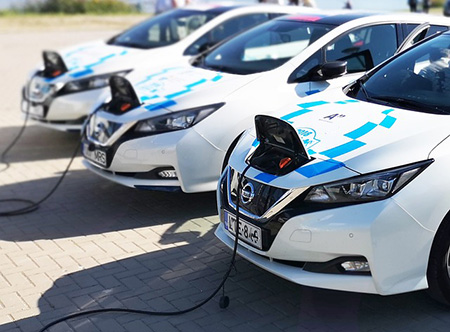
By Jo Nova Yet another reason EV’s are a lousy way to “save the world”The point of all the subsidies, the charging sites, the $3,000 parking fines, the extra generation, interrupted journeys, pot-holes, road-wear, tyre pollution, collapsing parking lots and random fires is supposedly so that we make the weather nicer by burning less fossil fuels. But in Norway where the biggest experiment in EV’s has produced an “idyllic” mass uptake of EV’s, the fuel use has hardly changed. Rystad Energy says that this shows we *must* electrify the buses, tractors and trucks too, but really this just shows what a waste of money all the past subsidies were. If the “low hanging fruit” subsidies didn’t achieve much, the next round of subsidies will have to waste stupendous amounts of money. Remember this doesn’t include fuel used to power the electricity cars, nor the fuel used to mine the lithium and build the EV, or to fill in the potholes and rebuild the bridges. No one even knows if EV’s will reduce carbon dioxide. “There’s no such thing as a zero emissions vehicle”. This is just “road fuel” we’re talking about and it’s not reducing it much: Is Norway’s Love For EVs Enough To Put A Dent In Fuel Demand?By Rystad Energy – Aug 28, 2023, 9:00 AM CDT, OilPrice.com Although EVs make up about 90% of all new car sales in Norway, fuel demand has only seen a 10% fall from 2017 to 2023, remaining relatively stable. Road fuel demand in Norway has remained relatively stable even with soaring electric vehicle (EV) adoption, raising questions about whether EVs really have a material impact on diesel and gasoline sales. Rystad Energy research and modeling has, however, uncovered the truth behind the persistent sales – electrifying heavy-duty vehicles, especially trucks, is essential to lowering overall fuel consumption. EVs are often positioned as the key to decarbonizing transportation, but the latest data from the Norwegian government suggests otherwise. Electric cars have accounted for at least 80% of all passenger vehicle sales for the past three years. EVs – including plug-in hybrid (PHEV) and battery electric vehicles (BEV) – accounted for about 90% of all new car sales in 2023. More than 50% of passenger cars on the road in Oslo are electric, a threshold that BEVs alone will pass 50% in the next two years. As far as experiments go, if anyone cared about CO2 emissions — the Norwegian EV program is a fail.
Since 2018, the average BEV in Norway has driven more miles than passenger cars of any other fuel type. In 2022, the average BEV drove 12,950 kilometers (km), surpassing for the first time the average distance of 12,000 km for diesel passenger vehicles. Overall, average passenger vehicle travel has steadily declined in Norway, from about 13,800 km in 2007 to 11,100 km in 2022. They looked at official fuel sales, annual average mileage and car sales as reported by Statistics Norway and estimate that passenger car fuel demand is down 20%, which is “in line with the BEV market penetration”, which it might be, but it’s still a big nothing in terms of stopping storms, floods and fires. No jet streams were altered by this experiment. Other factors confounding the experiment is that fuel demand from buses and trucks has grown from 30,000 barrels per day to 32,000. Plus the population grew, and people own slightly more cars per capita. (We all know EV’s are more likely to be the second car?) There are so many moving variables here — do governments that push EV’s onto the population also increase immigration thus undermining their own emissions reductions efforts? (Yes they do, and all the time). Are the populations that buy EV’s so wealthy they can afford the luxury of a second car? Does the increase in fuel prices (which was driven by green policies) mean more people catch buses and order online now, so instead of driving to the store, big diesel trucks now deliver their parcels? Rystad Energy have a very long explanation of why really the fuel savings from EV’s are “just around the corner” — like everything else in Transition-World. If politicians and activists actually cared about CO2, they wouldn’t be doing this. Image by Nerijus jakimavičius and Vogler
Written by Jo Nova Would you like PFAS with that?
Researchers analyzed 39 brands of straws in Belgium and found two thirds contained PFAS, and the paper straws were the worst. Fully 90% of all the paper straws contained some form of PFAS. 80% of Bamboo straws did too, as did 75% of plastic straws. Even 40% of glass straws contained PFAS. The only type of straws that were free of it were steel. The UK, Canadian, Belgium, New Zealand, and Australian governments banned plastic straws, as did some US States because “they were bad for the environment”. Paper drinking straws may be harmful and may not be better for the environment than plastic versionsScience Daily In the first analysis of its kind in Europe, and only the second in the world, Belgian researchers tested 39 brands of straws for the group of synthetic chemicals known as poly- and perfluoroalkyl substances (PFAS). PFAS were found in the majority of the straws tested and were most common in those made from paper and bamboo, the study, published in the peer-reviewed journal Food Additives and Contaminants, found. PFAS are used to make everyday products, from outdoor clothing to non-stick pans, resistant to water, heat and stains. They are, however, potentially harmful to people, wildlife and the environment. They break down very slowly over time and can persist over thousands of years in the environment, a property that has led to them being known as “forever chemicals.” They have been associated with a number of health problems, including lower response to vaccines, lower birth weight, thyroid disease, increased cholesterol levels, liver damage, kidney cancer and testicular cancer. Maybe accidental, maybe not… It isn’t known whether the PFAS were added to the straws by the manufacturers for waterproofing or whether were the result of contamination. Potential sources of contamination include the soil the plant-based materials were grown in and the water used in the manufacturing process. However, the presence of the chemicals in almost every brand of paper straw means it is likely that it was, in some cases, being used as a water-repellent coating, say the researchers. Calling these straws “paper”, 100% biodegradable and fully compostable seems like false advertising. H/t to Reader Image by rodgersm222 from Pixabay BRICS expand to nearly half the world’s population, ask for climate money, free tech and a free passAre we paying attention yet?The BRICS nations (in red, below) have just accepted six new members — Saudi Arabia, Egypt, Argentina, Iran, Ethiopia and the United Arab Emirates (green). The block now includes 46% of the population of Earth. They make 43% of the worlds oil, and about a quarter of the traded goods. The BRICS are going to abandon the US dollar and another 20 nations have expressed a desire to join. The India Narrative, called it “a new world order”. In other news, the BRICS groups said they’d quite like the West to keep giving them money and free climate technologies to save the world from climate change, (while the West battles the climate demons and hobbles its own economies). The BRICS promise they will absolutely, definitely, maybe get serious too in a few decades. While they’re busy burning record amounts of coal, they oppose any trade barriers done by the developed world in the name of climate change. We wouldn’t want things like pollution, child labor or slavery to get in the way of a good trade would we? When President Xi brags that they are the “global majority” it’s just a matter of time ’til he’s right: 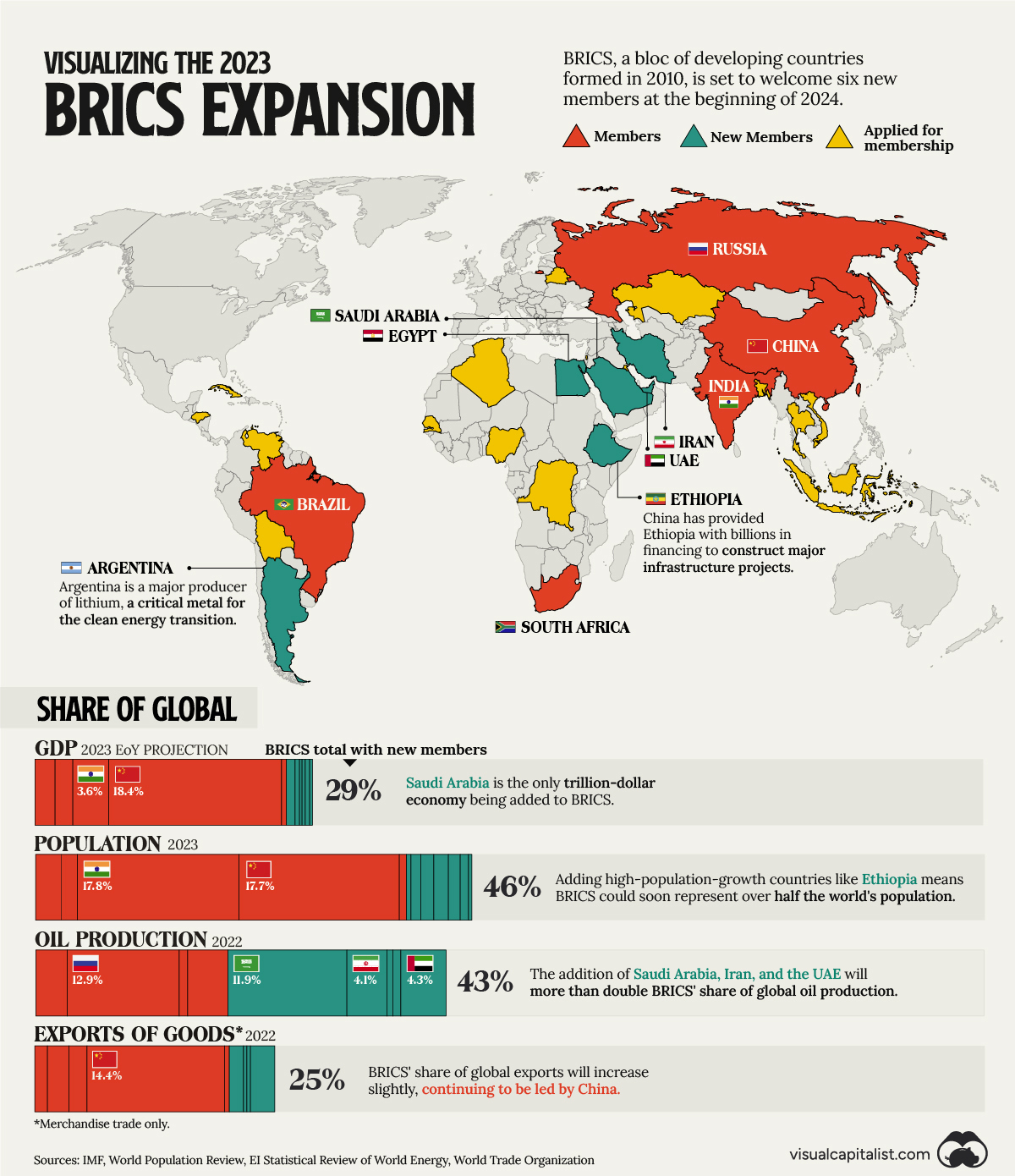 The Visual Capitalist estimates the BRICS population is about 3.7 billion now. Give us your MoneyThe BRICS would like that $100 billion the West promised: BRICS countries on Thursday further urged developed countries to honor their commitments, including mobilizing 100 billion U.S. dollars per annum by 2020 and through 2025 to support climate action in developing countries. — CGTN The UN is “very important” because it helps BRICS nations get free things from the West, slows the developed world, and almost never demands anything in return. It is a one way siphon: New Delhi, August 24 (IANS): BRICS nations on Thursday re-emphasiseed on the importance of implementing the United Nations Framework Convention on Climate Change (UNFCCC) and its Paris Agreement and the principle of Common but Differentiated Responsibilities and Respective Capabilities (CBDR-RC) enhancing low-cost climate technology transfer, capacity building as well as mobilising affordable, adequate and timely delivered new additional financial resources for environmentally sustainable projects. “We recognise that the Means of Implementation should be enhanced by developed countries, including through adequate and timely flow of affordable climate finance, technical cooperation, capacity building and transfer of technology for climate actions. “Furthermore, there is a need for comprehensive financial arrangements to address loss and damage due to climate change, including operationalising the fund on loss and damage as agreed at the UNFCCC COP27 to benefit developing countries,” the declaration said. This is not exactly a pact of free speech and free marketsAs Alexandra Wexler noted in the WSJ, five of the six new members rank very low in the Freedom stakes. India and Brazil want to stay on good terms with The West and only a few days ago were calling for “clarity”, and it looked like the expansion might not go through. But the West’s gravitas has shrunk (with its carbon emissions) and evidently India decided the QUAD defense pact would survive any bad feelings arising from them approving, eww, Iran. (The QUAD being Japan, USA, Australia and India). Brazil and India had advocated for a more gradual expansion of Brics amid concerns that the group could become too far aligned against the West, morphing into an autocratic version of the Group of Seven major economies. It appears that Brics is headed in that direction, with just one of the six newly-admitted nations—Argentina—ranked as “free” in Freedom House’s widely used global freedom index, with a score of 85 out of 100. The other five countries are all designated “not free,” with scores ranging from eight to 21. Still, Brazil and India voiced their support for the expansion … Who knows — the block may struggle with internal tensions as Iran and Saudi Arabia are not exactly on the best of terms, and nor are Egypt and Ethiopia. China’s economy is said to be in trouble. South Africa is suffering long rolling blackouts, violence and corruption. India joined the Quad for fear of China’s aggression. Thanks to NetZeroWatch for links to key articles and OldOzzie.
August 26th, 2023 | Tags: Brazil, BRICS, China, India, Russia, United Nations (UN) | Category: BRICS, Geostrategic, Global Warming |  Print This Post | | Print This Post | | 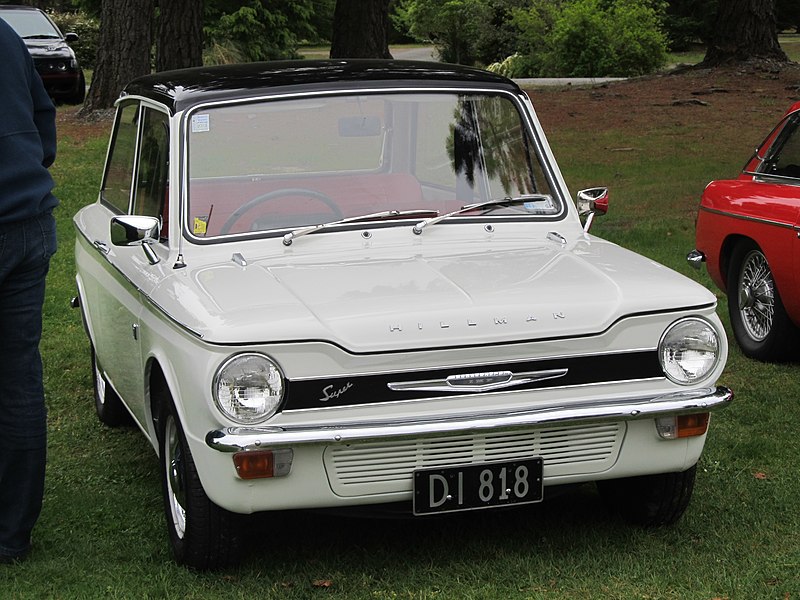 £9,500 for a 1970 Hillman Imp Super? | Photo by Riley from Christchurch, New Zealand Say hello to the new ideal car for your ultra low emission city, not an EV but a fifty year old HillmanMany Londoners are suddenly discovering how much they love old vintage cars, especially ones from the pre 1983 era, which just happen to be exempt from the £12.50 a day new carbon tax. The old cars are selling at a premium, and London may soon become the Old-Car-Mecca of the world. Who knows? This may not have been what Sadiq Khan was aiming for when he tried to force everyone to buy an EV or catch a bus. But it’s what happens when you bully people. The much hated Ultra Low Emission Zone (ULEZ) starts on August 29th and people driving petrol cars older than 2006 or diesel cars from before 2015 are likely to end up paying £12.50 every day just to drive in London. Vintage cars older than 40 years are exempt. h/t MrGrimNasty Londoners snap up classic cars to dodge ULEZEirian Jane Prosser, The Daily Mail Londoners are snapping up classic cars in a bid to dodge Sadiq Khan‘s ULEZ charge that will be expanded to cover all of the capital’s boroughs next week. Dealers across the capital have noted a surge in sales of cars manufactured before 1983, which are exempt from the £12.50 charge as they are classed as ‘historic vehicles’. Merlin McCormack, owner of Duke of London, a vintage car dealership in Brentford, said he had seen customers opting for more affordable classic cars to avoid the clean air levy. He branded the surge in sales ‘ironic’ as although the cars are exempt from the charge, the older cars are more polluting than its modern equivalent. 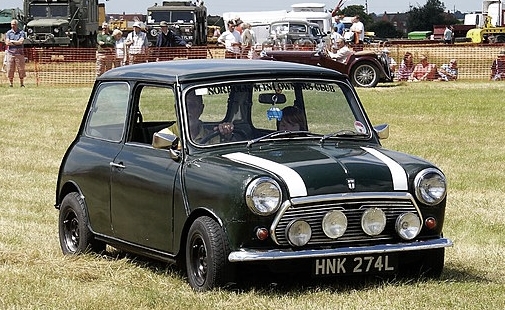 An Austin Mini for £20,000? | Photo of a Mini by Martin Pettitt from Bury St Edmunds, UK This includes a 1970 Hillman Imp Super for £9,500, a 1973 Alfa Romeo 2000 for £12,000, and a 1972 Austin Mini for £20,000. These older vehicles are also exempt from road tax, which Garry Short managing director of Classic Chrome in Mortlake, said most people are unaware of. Current Ads in London: Fifty three year old Morris Minor for £18,750 In other news this week, a member of Sadiq Khan’s staff has been accused of trying to pressure scientists to change their wording when their research showed his ULEZ policy in central London had cut nitrogen emissions by a mere 3% and achieved almost nothing on ozone and particulate matter too. In the emails, seen by The Telegraph, Ms Rodrigues said she was disappointed that Imperial College had published a study by the Department of Civil and Environmental Engineering that showed Ulez cut nitrogen dioxide by less than three per cent and had achieved an insignificant impact on ozone and particulate matter. Such research undermined the London Mayor’s policy, argued Ms Rodrigues. Such research undermines the Mayor’s policy, she said, as if science only existed to endorse the crazy totalitarian schemes politicians dream up. Her response also shows it’s not about pollution.
August 25th, 2023 | Tags: UK, ULEZ (Ultra low emission zone) | Category: Global Warming | Print This Post | |
The current state of the Renewable Crash Test Dummy TransitionEveryone who can add up in Australia knows it can’t work, but the climate of fear stops them saying so. Last month a senior energy industry executive told the Australian Financial Review quietly that everyone believes [the 2030 target] will be missed, but nobody wants to say it. Apparently, even executives are being coerced into silence for fear of retribution. The insider referred to the “discretion” Ministers have on project approvals. It’s like a national mafia racket: “Nice business you have there — shame if you couldn’t get the permit”. So the Labor Party sets itself up to fail by silencing the people it could be listening to — as if the electricity will still be there when the turbines stop turning. To put the size of the moonshot in perspective, even Federal Climate Change and Energy Minister Chris Bowen himself said the nation must “install 22,000 500-watt solar panels every day for eight years along with 40 seven-megawatt wind turbines every month”. In toto, we are supposed to build 44GW of “renewables” by 2030. Instead of this frenetic pace, renewable energy investment ground to a near halt in the last quarter in Australia. What was a rolling $1.2 billion quarterly commitment slipped back to just $225 million as we run out of land near interconnectors, and approvals are delayed for new transmission lines. We “need” some 10,000 kilometers of high voltage lines, but farmers are angry the giant metal towers will devalue their properties, make it harder to farm, ruin their views, and increase fire risks. Other people are starting to wonder if we should carve up national parks with tower lines too. The real cost of all the infrastructure that unreliable low density energy needs is just starting to burn. Then to top it all off, an expert analysis has spotted a $60 billion dollar hole in the magical Renewable fairy plan, which, if correct, amounts to about $5,600 in costs for every household in Australia that no one has budgeted for. Way off the pace’: Just four green energy projects reached sign offAngela Macdonald-Smith, AFR Only four renewable energy projects reached financial close in the three months to the end of June, extending a dearth in commitments to new wind and solar farms just when the buildout is supposed to be accelerating to allow polluting coal generators to shut down. The low level of project go-aheads – for reasons including planning approval delays and grid bottlenecks – came after no wind and solar projects at all reached financial sign-off in the March quarter, the Clean Energy Council says. The addition of just 348 megawatts of capacity into the development phase in the April-June period … According to Rystad Energy analysis, between 3.5 gigawatts and 4 GW of new utility solar, wind and storage needs to start construction every year to reach the 2030 target. But new financial commitments slowed to $225 million of projects, well down from the rolling quarterly average over the past 12 months of $1.3 billion. They wouldn’t need to be bullies if it wasn’t such a bad idea… Meeting Energy Targets close to impossibleAngela Macdonald-Smith and Mark Ludlow, AFR, July 10th, 2023 …others are much more blunt behind closed doors: “Everybody believes [the 2030 target will be missed] but nobody wants to say it because of what might happen – people are too frightened of some kind of retribution,” one senior energy industry executive said, pointing to the level of discretion ministers have in decisions on east coast gas activities, for example. JPMorgan analyst Mark Busuttil calculates that only 628MW of new renewable capacity came online in the first half of 2023, including only 53MW of solar capacity in the June quarter. The $60billion dollar black hole arose from the “Sunk Cost” Accounting Trick where costs were calculated “after 2030” assuming all the pumped hydro, batteries and transmission lines were built and paid off already: $62bn black hole in Labor energy planBy Jesse Malcolm and Geoff Chambers, The Australian According to new analysis conducted by Australian Resources Development executive director David Carland, Labor has failed to bake in $62bn in budgetary spending required to lift renewables from 20 per cent of the nation’s energy production to the government’s stated 56 per cent target. Mr Carland’s figures estimate that a range of projects – including Snowy 2.0, Tasmania’s “battery of the nation” plan and various transmission expansion projects — would be significantly more expensive if they were costed correctly, taking into account annual government subsidies and projected cost escalations and delays. The Sunk Cost Trick was a way to hide costs that will be added to electricity bills by stealth: Opposition energy spokesman Ted O’Brien used the analysis to attack Mr Bowen for misrepresenting the GenCost review, which the Energy Minister has used to support his claim of renewables being the cheapest form of energy. “Labor is either wilfully lying to the Australian people about the true cost of its transition or it has absolutely no idea how Australia’s energy system operates. It’s time for an honest debate about the true cost of Labor’s radical energy experiment,” Mr O’Brien said. “Renowned energy experts have revealed that Chris Bowen has purposefully buried a $60bn black hole in its energy plan that … Australians will ultimately pay for through higher energy bills. For a bargain we could spend 0.0001% of this to audit the foreign UN committees that say we have to spend $5 Trillion to “fix” the weather. Scientists are behaving very badly: hiding data, declines, history, adjustments and methods. Expert climate modelers don’t want their own pensions bet on climate models, why should yours be? Image by ThankYouFantasyPictures from Pixabay
August 24th, 2023 | Tags: Bullying, Coercion, Cost-benefits, Electricity Cost, Net Zero, Renewable Energy | Category: Australia, Global Warming, Renewable | Print This Post | |  Fifty years of the French Nuclear Industry The dismal, destitution of our national energy debateYou would think our former Chief Scientist would know how to do basic research before commenting in the national news? Alan Finkel says Australia probably couldn’t build one nuclear plant in less than twenty years, because the UAE took fifteen years. But fifty years ago the French built 56 nuclear plants in just 15 years. Isn’t that relevant and shouldn’t we at least mention that? At the time, the population of France was 51 million — twice what Australia is today. So pro rata, Australia could be aiming for 26 reactors. If we ask nicely, perhaps we could borrow the old 1973 plans? The Messmer plan was launched in response to the oil crisis and the French started construction on three plants in the same year. The slogan they used was “In France, we do not have oil, but we have ideas.” In Australia, our slogan it seems, is we don’t have oil, but we buy solar panels from China. In a similar vein, two weeks ago Sweden announced it would be building 10 new nuclear reactors by 2045. With 10 million people, the pattern apparently is that building one nuclear plant per million people is the norm. Now both those countries already have or had a few nuclear plants running, so they weren’t starting cold. Australia just has one medical grade reactor and some hypothetical nuclear subs. But in 1973, France didn’t have fifty years of industrial research to draw on, and there weren’t 436 reactors operating around the world. If hypothetically, we were in an existential crisis of world ending proportions, you’d think we could build faster than we used to in the 1970s? Alan Finkel was Special Adviser to the Australian Government for Low Emissions Technologies for two years up to November 2022, so he was paid to know this sort of thing. Nuclear power is the ultimate low emission technology. It was his duty to figure this out. Last year he was awarded the Companion of the Order of Australia (AC) in the Australia Day Honours for “eminent service to science, to national energy innovation and research infrastructure capability, to climate change and COVID-19 response initiatives, and to science and engineering education”. These prizes have become a bad joke. Alan Finkel clearly doesn’t mind giving Australians half the truth and the Sydney Morning Herald is of course, happy to print drivel. All Mike Foley, said journalist, had to do to be investigative was phone up anyone in the nuclear industry in the USA or France, or search on a climate skeptics blog. Coalition’s campaign for nuclear energy implausible, experts sayMike Foley Sydney Morning Herald Former chief scientist Alan Finkel says it would take decades to develop a local nuclear energy industry, as he and other experts reject the Coalition’s push to switch focus from renewables to nuclear as implausible since Australia needs urgent replacement for its ageing coal-fired power plants. Finkel said it was highly unlikely that Australia could open a nuclear power plant before the early 2040s, saying autocratic United Arab Emirates took more than 15 years to complete its first nuclear plan using established technology. Instead of being an “Order of Australia” kind of guy, serving his country, Finkel sounds like a salesman for renewable energy: The economic viability of Australia’s ageing fleet of coal-fired power stations, which still make up two-thirds of the electricity grid, has been hammered by cheaper sources of renewable energy. Replacement power is urgently needed, with five of 15 plants due to shut within a decade and more tipped to follow. The whole system cost is ultimately what matters to families. We keep adding renewable energy and yet the more we add the more the prices rise. That’s the evidence that matters, the observation a “scientist” is supposed to notice. In the end, Australia needs cheap energy and nothing is cheaper than coal. Burn the coal, feed the world, and then set up a nuclear industry…
h/t indefatigable David from Cooyal in Oz Wikimedia photo compiled from photos by Utilisateur:Djampa, Andrzej Otrębski, Panelfestoon, Esby, Soviflo, Sancio83, Florian Pépellin, François GOGLINS, Xtrasystole, Stefan Kühn, Raimond Spekking, SashiRolls, Pablo el ciclista, Serlito, Yelkrokoyade, Felix König.
August 23rd, 2023 | Tags: Nuclear Energy | Category: Australia, Global Warming, Nuclear Power | Print This Post | | Suddenly Australia needs $1.5 Trillion dollars on Energy “Moonshot” quest for global weather control
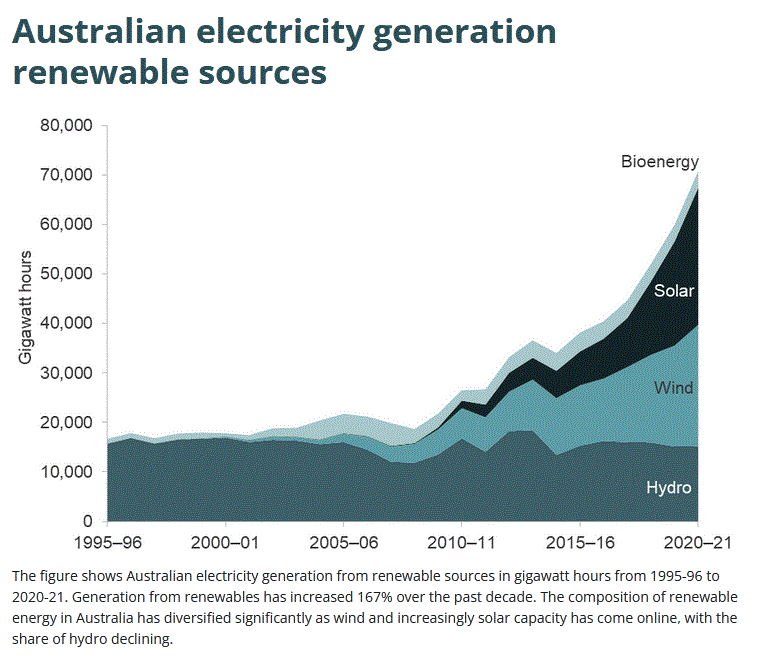
Now they tell us:…big spending on renewables needed, says reportAustralia must find $1.5 trillion by the end of the decade to meet 2050 green targets in an effort experts say would need to mirror the reconstruction of Europe after World War II. — By Nick Evans, The Australian Until five minutes ago (or at least the last election), wind and solar power were the future — they were unstoppable because free energy paid for itself and was getting cheaper every year. (Cheaper than free!) Now, we’re out of the mists of the fairy garden, a few passengers on the top floor of the Carbon Bus can see the cliff coming. Suddenly we’ve gone from “it’ll save money” to needing $1,500 billion dollars or 1.5 million suitcases of a million dollars each, which is quite a lot in a land of 26 million people. It works out to be $57,000 each from every man, woman, pensioner and baby, and we need it in the next 7 years. So that’s a quarter of a million dollars from every family of four. Nevermind about a house or a holiday, if we’re serious, we need to work weekends, and send the kids to the factory after school. What’s the award wage for ten year olds? We’re going to do “a Moonshot” apparently. Shame no one mentioned that at the last election?The new report came out last month from the expert committee we’d never heard of — Net Zero Australia. The largest economic transformation in Australian history is among the final conclusions of the major expert study of Australia’s path to net zero carbon emissions, conducted by interdisciplinary teams from the University of Melbourne, The University of Queensland, Princeton University’s Andlinger Centre for Energy and Environment, and Nous Group. Australia just needs to build 230 GW of renewable energy generation by 2035, and at the moment we’ve got 50GW “committed”: The report says that nearly 50 gigawatts of planned and committed renewable energy generation falls well short of the 230GW estimated to be needed by 2035, and that a drastic acceleration of both onshore and offshore wind developments would be needed to provide future power. Robin Batterham – emeritus professor of engineering at the University of Melbourne and Australia’s former chief scientist – who chaired the group’s steering committee, said it was a huge task. Just like that we will train up 100,000 engineers and tradesmen in the next 7 years: The economic push would be enormous, even among the working population. Net Zero Australia’s modelling suggests the skilled workforce needed to install and run new generation assets, transmission lines, and associated decarbonisation efforts will need to double to at least 200,000 people by 2030 and reach 700,000-850,000 by 2060 – up to 4 per cent of Australia’s estimated total workforce. The experts in the new committee dared to suggest we need to build a new fleet of gas plants, and keep the old coal generators running until we have new reliable supply available. They can see how a few billion-dollar blackouts will dent enthusiasm for the green renewable racket. Improbably, they say that we must keep all the options open, except for nuclear, of course, and that crazy idea of auditing the pronouncements of a foreign committee. We shouldn’t wait for “silver bullet” technology like small modular reactors, they say, but it’s OK to wait for cheap batteries, reliable wind plants, safe disposal of turbine blades, dead eagles, beached whales, and reports on infrasound pollution from studies no one has done yet. Don’t mention the risk reward ratio…We need to spend $5 Trillion by 2050, build 40 times the generation, and based on dubious economic modeling with twenty-five years of extrapolated guesses about technologies that are not invented yet, we might reduce energy costs from 9% to 7% of the total economy, but we will definitely cool the world by no degrees? Renewable energy generation would need to grow to about 40 times the current NEM generation capacity, according to previous modelling by the group – but, even under the most aggressive renewable energy scenario modelled by Net Zero Australia, the country’s total domestic energy costs would fall from just under 9 per cent of GDP to about 7 per cent by 2050. Australians have gone gangbusters installing wind and solar in the last ten years but we need to do “40 times as much”. Plot the curve to 2050 in your head: No one is taking the transition, or carbon emissions seriously. As long as the gravy flows… — AI generated art by Jo
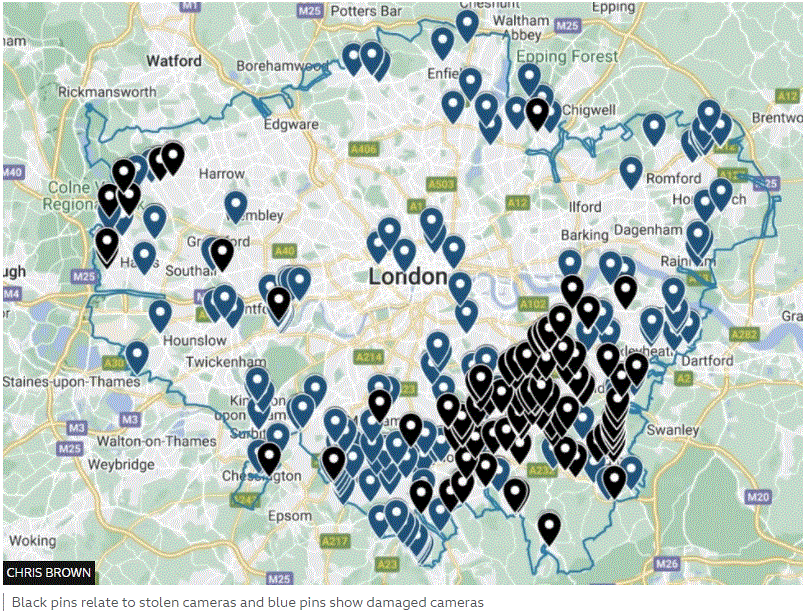
August 22nd, 2023 | Tags: Net Zero, Renewable Energy | Category: Australia, Cost, Global Warming, Renewable | Print This Post | | By Jo Nova The war on the poor has become a war on surveillance camerasThe ULEZ “Ultra Low Emission Scheme” in London will force drivers in outer London to pay a draconian £12.50 daily ULEZ fee when the scheme expands to their area from August 29th. But many of these people are poor and can’t afford to buy a new car or pay the fee. People who own diesel cars older than 2015 or petrol cars older than 2006 will have to pay the fees, so this will hurt the poorest people the most. Not surprisingly, this is very unpopular, as it has a large impact on some people’s lives. Tradies are wondering if they should give up their business, and older people are already being forced to sell their cars. Healthcare workers on late night shifts may end up trying to get home to outer suburbs in the dead of night on sparse bus routes. Everyone inside the ULEZ zone will also end up paying more to get tradies from outside the zone to come into it. This affects a lot of people, and perhaps as many as 850,000 vehicles registered in London are not compliant. The RAC says that “it will have a massive financial impact on motorists and businesses”. Neil Garratt AM points out that while Sadiq Khan thinks the poorest Londoners don’t own a car the TfL (Transport for London) data shows that most do own a car, and they are more likely to own a car than the very highest income houses in inner London. (See the graph below). Not surprisingly, people are angryOfficially some 339 reports have been received of damaged or missing ULEZ cameras — but an unofficial map tally suggests the number is more like 460 or 28% of all the cameras installed so far. If only there were a better way to solve this, like say with a referendum? Let’s give people a vote instead. Perhaps they won’t want to give up their cars to make the world 0.000 degrees cooler in one hundred years time? These rules are so invasive, people are getting desperate. Ulez: More than 300 cameras damaged or stolen in four monthsBy Yasmin Rufo, BBC Over four months, the Met received 339 reports of camera cables being damaged, or cameras being stolen or obscured. The actual number of cameras affected is likely to be even higher as one report can represent multiple cameras. Unofficial data mapping the location of disabled cameras suggests that almost 500 cameras could have been affected. The force has not revealed the locations of any of the disabled cameras but a group of people calling themselves Julie’s Ulez map, who are opposed to the Ulez expansion, worked to track the locations and damage caused to cameras. The map shows there are 1,619 cameras outside the North and South circular roads with 461 of those reported as vandalised or stolen – equating to 28% of the Transport for London’s (TfL) network cameras.
In the graph below “no car” is the blue line, and in Central London around 75% of the rich and poor don’t own a car. But in the outer zones only 20-40% don’t own a car, and presumably poorer people would own more cars if only they could afford it, since that’s what everyone else in their area with more money does. Click to enlarge: 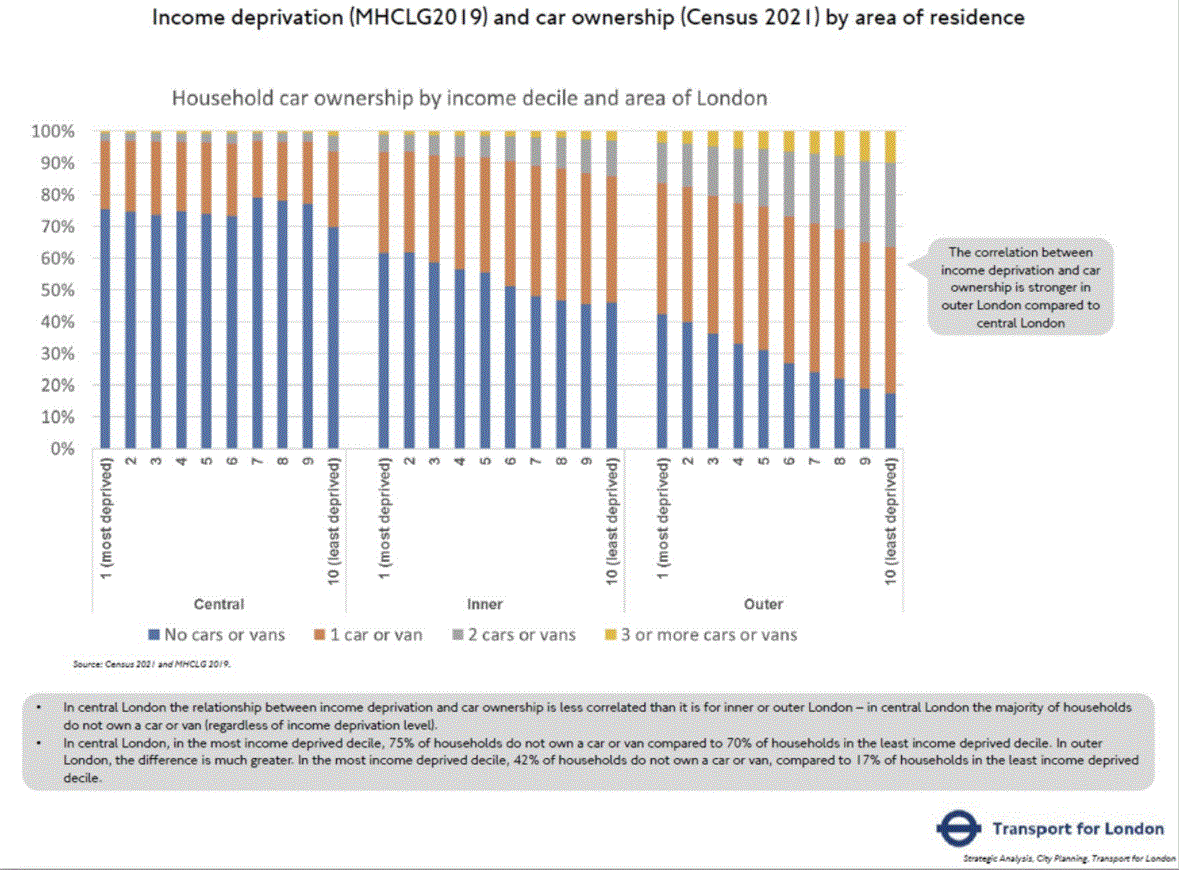 More than 50% of the most deprived people in outer London own at least one car. This graph above shows the phenomenal success of the invention of cars and the industrialization and free-market that made it possible. In a little over a century, more than half of the poorest citizens were able to buy something far better than what the richest of the rich once had. Alfieri Maserati in 1908  1908 Grand Prix des Voiturettes at Dieppe was Alfieri Maserati in his Isotta-Fraschini, |Bibliothèque nationale de France. Agence Rol. Resistance is growingGroups, apps and interactive maps are springing up to protest and to map the locations of the cameras. Some councils have refused to allow cameras on the roads they manage, but most main roads will be covered with 2,750 cameras when the full set are installed. Stop Ulez.com reports Currently two people have been charged with criminal damage but one case has now been dropped the night before a crown court appearance (congratulations Kingsley – common sense prevailed) and the other is on-going, with a not guilty plea, crown court date and a lack of evidence. The ULEZ Camera ConundrumThe ULEZ Extension will be monitored by cameras, which are going up at an alarming rate on a traffic light near you (in you live in the large expansion zone). Although some councils have refused to allow TFL and Sadiq Khan to install cameras on council property and council owned roads, TFL are allowed to install whatever they fancy on routes that they manage. They are also installing ULEZ signage, the legality of which is being disputed, as discussed here by Bexley Council. These routes cover virtually all the main roads that run through each borough. This prolificacy means that the chances of avoiding the cameras and finding a sneaky back route to the a school or allotment is severely limited. Other links:
Photo Ford Model T: ModelTMitch
August 19th, 2023 | Tags: UK, ULEZ (Ultra low emission zone) | Category: Big-Government, Global Warming, UK | Print This Post | | |
Jo appreciates your support to help her keep doing what she does. This blog is funded by donations. Thanks!
 Follow Jo's Tweets
   
 
|
|||
|
Copyright © 2026 JoNova - All Rights Reserved |
||||











Recent Comments